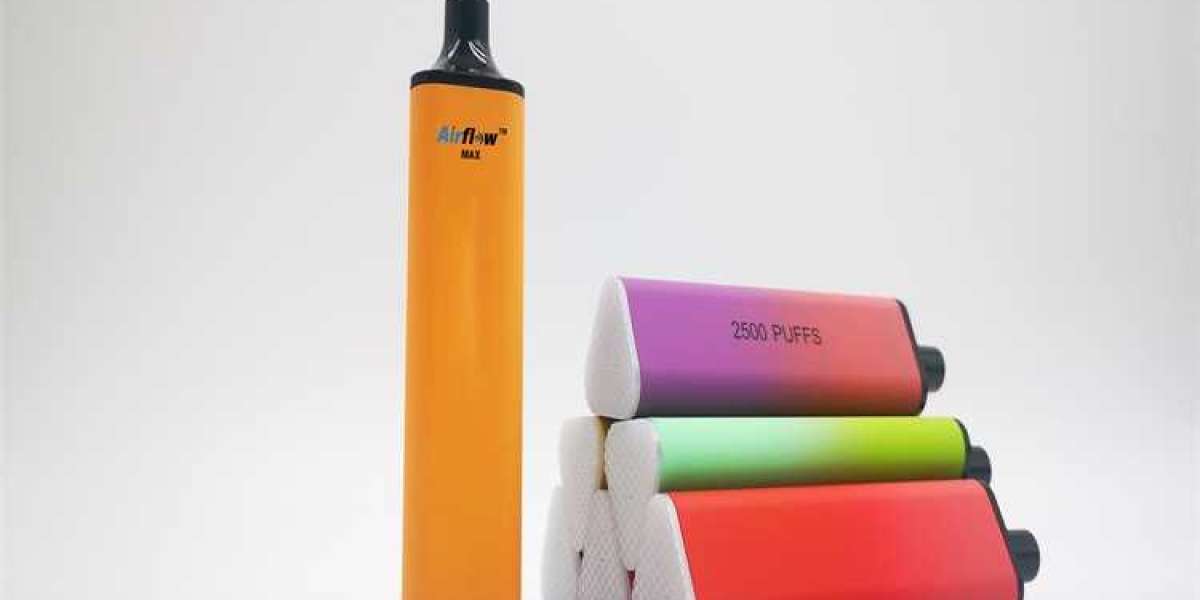

China has established itself as the global leader in the manufacturing and assembly of disposable vape devices. The country's dominance in this sector can be attributed to several factors, including advanced manufacturing capabilities, a highly skilled workforce, cost-effective production processes, and a robust supply chain. Disposable vapes, characterized by their convenience and ease of use, have become increasingly popular worldwide, and China plays a pivotal role in meeting this growing demand.
The Rise of Disposable Vapes
The vaping industry has seen exponential growth in recent years, with disposable vapes becoming a significant segment of this market. Unlike traditional vaping devices, which require regular maintenance, refilling, and battery charging, disposable vapes are pre-filled and ready to use right out of the box. Once the e-liquid is depleted or the battery dies, the device is simply discarded. This simplicity and convenience have made disposable vapes particularly appealing to both new and experienced vapers.
China's contribution to the disposable vape market cannot be overstated. The country is home to the majority of vape manufacturers, with cities like Shenzhen being the epicenter of production. The concentration of manufacturing facilities in this region allows for efficient production and rapid innovation, as companies can easily collaborate with suppliers and component manufacturers. Disposable vape assembly china
The Manufacturing Process
The assembly of disposable vapes in China involves several key steps, each of which is crucial to ensuring the quality and reliability of the final product. The process typically begins with the production of individual components, including the battery, heating element (coil), e-liquid reservoir, and outer casing. These components are often manufactured in specialized facilities before being brought together for assembly.
Battery Production: The battery is one of the most critical components of a disposable vape. Most devices use a lithium-ion battery, which provides the necessary power to heat the e-liquid and produce vapor. In China, battery production is highly automated, with strict quality control measures in place to ensure safety and longevity.
Coil and E-Liquid Reservoir Assembly: The coil is responsible for heating the e-liquid, turning it into vapor. This component is typically made from metal, such as stainless steel or nickel-chromium alloy, and is carefully wound to ensure consistent heating. The e-liquid reservoir, often made from plastic or glass, is filled with a pre-measured amount of e-liquid during the assembly process.
Final Assembly and Testing: Once all the components are ready, they are brought together in the final assembly process. This involves placing the battery, coil, and e-liquid reservoir into the outer casing, which is usually made from plastic or metal. The assembled device is then sealed to prevent leaks and ensure durability. Before packaging, each disposable vape undergoes rigorous testing to verify its functionality and safety.
Quality Control: Chinese manufacturers place a strong emphasis on quality control throughout the production process. This includes testing the battery for consistent output, checking the coil's resistance, and ensuring that the e-liquid reservoir is properly filled and sealed. Devices that fail to meet the required standards are rejected and do not make it to the final packaging stage.
Economic and Environmental Considerations
The large-scale production of disposable vapes in China has significant economic implications. The industry provides employment opportunities for thousands of workers and contributes to the country's GDP. Moreover, the relatively low production costs in China allow manufacturers to offer disposable vapes at competitive prices, making them accessible to a broad consumer base.
However, the environmental impact of disposable vapes is a growing concern. The devices are typically made from non-biodegradable materials, and the single-use nature of these products means they generate a substantial amount of waste. As the global demand for disposable vapes continues to rise, there is increasing pressure on manufacturers to adopt more sustainable practices, such as using recyclable materials and developing eco-friendly disposal solutions.
Conclusion
China's role in the assembly of disposable vapes is a testament to the country's manufacturing prowess and ability to meet global demand for consumer electronics. While the convenience of disposable vapes has driven their popularity, the environmental challenges associated with their production and disposal cannot be ignored. As the industry evolves, it will be essential for manufacturers to balance consumer preferences with sustainability considerations to ensure the long-term viability of the disposable vape market.