

When considering a bathroom renovation, one of the most significant decisions revolves around the type of shower to install. The debate between barrier-free showers and enclosed showers is prevalent among homeowners. Understanding the advantages and disadvantages of each option can help you make an informed choice that aligns with your needs and preferences.
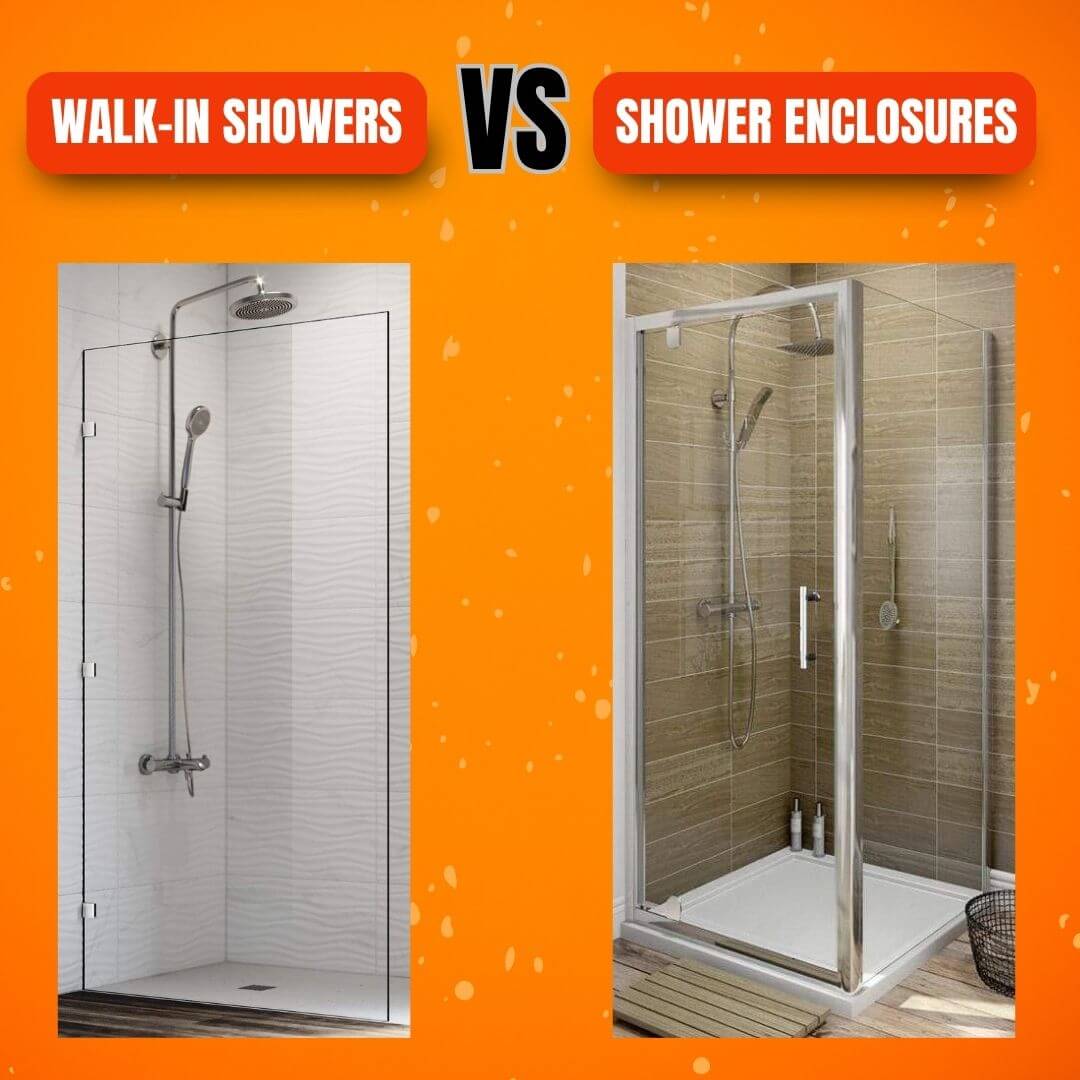
What is a Barrier-Free Shower?
A barrier-free shower is designed without any curbs or barriers, allowing for easy access. This design is particularly beneficial for individuals with mobility challenges, as it eliminates the risk of tripping. Additionally, these showers often feature a spacious layout, which can enhance the overall bathing experience.
Benefits of Barrier-Free Showers
- Accessibility: Ideal for individuals with disabilities or those who require assistance.
- Safety: Reduces the risk of slips and falls, making it a safer option for all ages.
- Design Flexibility: Offers a modern aesthetic that can be customized to fit various styles.
- Easy Maintenance: Fewer corners and crevices make cleaning simpler.
Drawbacks of Barrier-Free Showers
- Water Control: Without a barrier, water may splash outside the shower area, potentially leading to wet floors.
- Installation Costs: The initial setup can be more expensive due to the need for proper drainage and waterproofing.
- Privacy Concerns: Depending on the layout, these showers may lack privacy compared to enclosed options.
Enclosed Showers: A Traditional Choice
In contrast, enclosed showers feature walls or doors that contain water within the shower space. This traditional design has been a staple in many homes for years. They can be customized with various materials, such as glass or tile, to match the overall bathroom decor.
Advantages of Enclosed Showers
- Water Containment: Effectively keeps water contained, reducing the risk of slips outside the shower.
- Privacy: Offers a more private bathing experience, which some users prefer.
- Variety of Designs: Available in numerous styles, sizes, and materials to fit any bathroom theme.
Disadvantages of Enclosed Showers
- Accessibility Issues: May pose challenges for individuals with mobility issues due to the need to step over a threshold.
- Cleaning Challenges: More corners and crevices can make cleaning more time-consuming.
- Space Constraints: Can feel cramped in smaller bathrooms, limiting movement.
Conclusion: Choosing Between Barrier-Free and Enclosed Showers
Ultimately, the choice between a barrier-free shower and an enclosed shower depends on your specific needs and preferences. If accessibility and safety are your top priorities, a barrier-free shower may be the ideal choice. However, if you value privacy and water containment, an enclosed shower might be more suitable. Consider your lifestyle, budget, and bathroom layout when making this important decision.