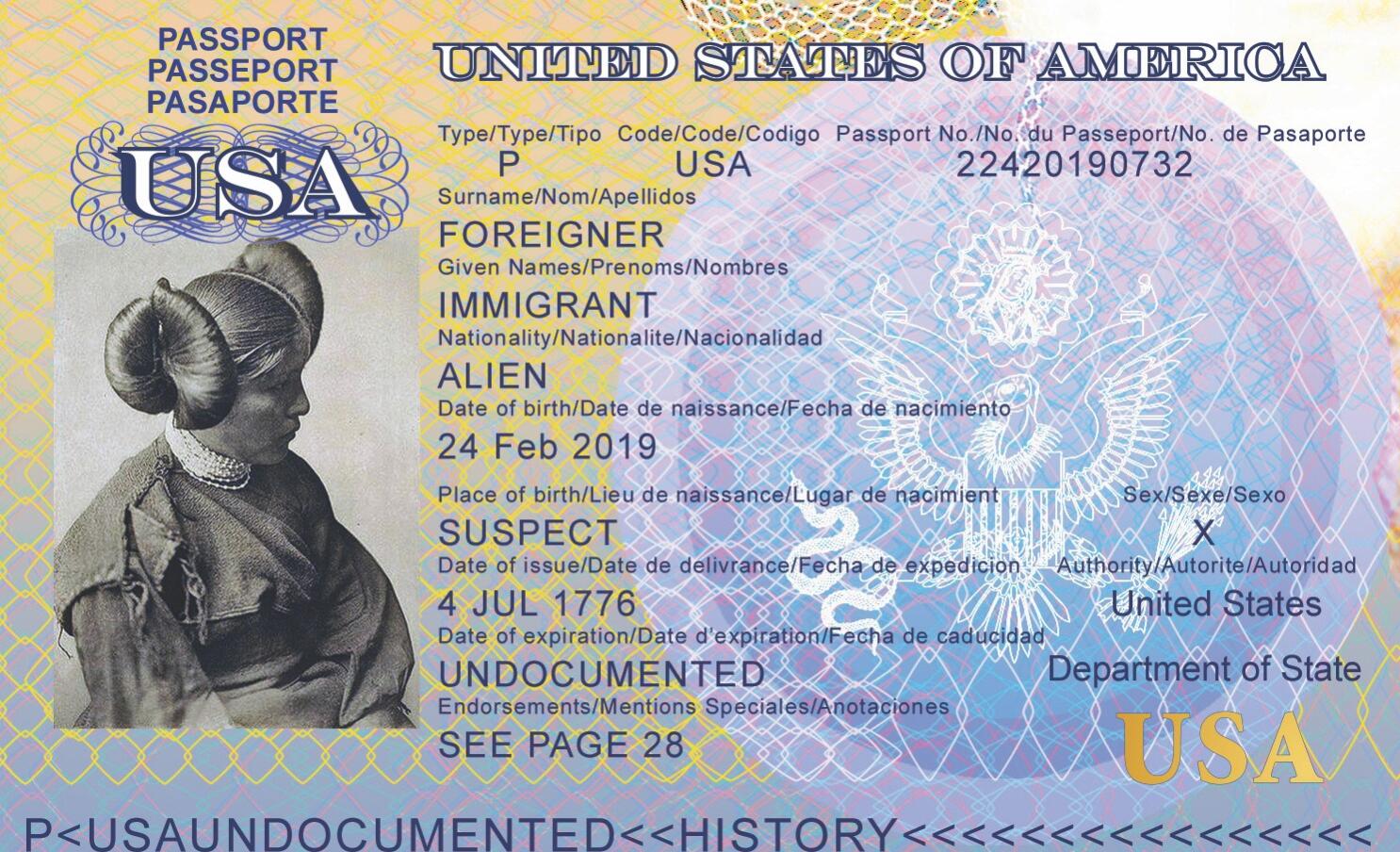

Understanding the nature of these counterfeit documents and the associated dangers is crucial for both law enforcement professionals and the general public.
What is a Fake US Passport?
A fake US passport is a fraudulent document that is designed to resemble an authentic US passport but is created without proper authorization. These counterfeit passports often mimic the design and layout of real documents but lack the intricate security features that make genuine passports difficult to forge. The intent behind creating a fake passport can range from personal deception to more serious criminal activities.
Reasons for Creating Fake US Passports
There are several reasons why individuals might seek to obtain or create a fake US passport:
Avoiding Legal Restrictions: Some individuals use fake passports to bypass legal restrictions, such as age limits for travel or entry into restricted areas.
Facilitating Fraud: Fake passports can be used to commit fraud, such as opening bank accounts, securing loans, or obtaining employment under a false identity.
Illegal Immigration: Counterfeit passports may be used by individuals attempting to enter or remain in a country illegally, often as part of broader human trafficking or smuggling operations.
Criminal Activities: In some cases, fake passports are used to facilitate other criminal activities, such as drug trafficking or terrorism.
How Fake Passports are Made
Creating a fake US passport typically involves several steps:
Acquiring a Template: Counterfeiters often start with a basic template that mimics the design of a genuine US passport. These templates can be found online or created using graphic design software.
Editing Information: Using advanced graphic editing tools, counterfeiters modify the template to include fake personal information, photographs, and other details.
Printing and Production: The edited template is then printed on high-quality materials to resemble a real passport. Some counterfeiters go further by adding physical security features, like holograms or microprinting, although these are usually less sophisticated than those on genuine passports.
Detecting Fake US Passports
Detecting a fake passport requires a careful examination of its security features. Authentic US passports contain several advanced security elements:
Holograms: Genuine passports include holographic images that are difficult to replicate accurately.
Microprinting: Fine text and intricate designs that are only visible under magnification are used to deter counterfeiting.
RFID Chips: Modern US passports include RFID chips that store biometric data and can be scanned for verification.
UV Features: Certain elements of the passport are visible only under ultraviolet light.
Authorities use a combination of visual inspection, UV light, and electronic scanning to identify fake passports. Training and experience play a critical role in recognizing subtle discrepancies between real and counterfeit documents.
Legal Consequences of Using a Fake Passport
The creation, possession, or use of a fake US passport is a serious federal crime with severe consequences:
Fines: Individuals convicted of passport fraud may face substantial monetary fines.
Imprisonment: Convictions can result in significant prison sentences, depending on the nature and scope of the offense.
Criminal Record: A conviction for passport fraud carries a permanent criminal record, which can impact future employment, travel, and personal freedoms.
Additional Charges: Using a fake passport in connection with other criminal activities can lead to additional charges and penalties.
The Impact on National Security
The proliferation of fake passports undermines the integrity of international travel and border security. Counterfeit documents can facilitate illegal activities, including human trafficking and terrorism, posing a significant threat to public safety. This makes it imperative for law enforcement agencies to stay ahead of counterfeiters by employing advanced detection methods and continuously updating passport security features.
Conclusion
The issue of fake us passport is a multifaceted problem that affects both individuals and national security. Understanding how these counterfeit documents are made, the methods used to detect them, and the legal repercussions of their use is crucial. By promoting awareness and ensuring stringent security measures, we can help mitigate the risks associated with fake passports and maintain the integrity of our identification systems.