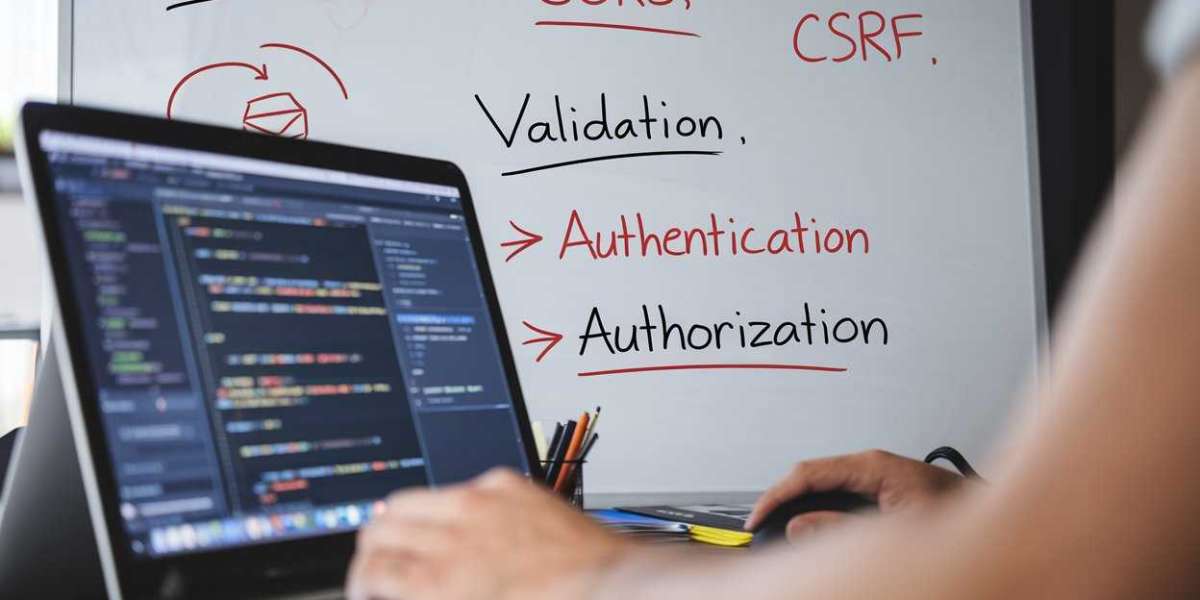

In today’s world, web application security is not just a bonus—it’s a necessity. Whether you're running a small business website or managing a full-fledged e-commerce platform, securing your web applications from vulnerabilities is crucial to safeguard your data and maintain trust with your users. When it comes to Laravel, a popular PHP framework for web development, developers are equipped with many tools to enhance security. However, understanding reducing security risks in Laravel apps is the first step toward building a fortified application.
Without proper attention to security, Laravel applications are susceptible to various attacks, such as SQL injections, Cross-Site Scripting (XSS), and Cross-Site Request Forgery (CSRF). That’s why it’s essential to follow the best practices for securing your Laravel apps—steps that we'll explore in this article.
And if you're not well-versed in these techniques, it might be wise to hire PHP web developers who specialize in Laravel security, ensuring your app is well-guarded against potential threats.
Common Security Risks in Laravel Applications
Laravel is a robust framework, but like any web development tool, it can be vulnerable to certain security risks if not properly managed. Recognizing these risks is the first step in safeguarding your application. Below are some of the most common vulnerabilities Laravel developers face and should take proactive steps to mitigate:
1. SQL Injections
SQL injection attacks occur when malicious users insert or manipulate SQL queries to gain unauthorized access to or alter your database. Without proper validation, attackers can input dangerous SQL commands, compromising your entire database. In Laravel, failing to properly escape user input can leave your application wide open to SQL injection.
Prevention Tip: Use Laravel’s Eloquent ORM or query builder to ensure queries are automatically sanitized and prevent direct SQL queries.
2. Cross-Site Scripting (XSS)
XSS attacks allow an attacker to inject malicious scripts into your web pages, which are then executed by unsuspecting users’ browsers. This can lead to data theft, session hijacking, and even spreading malware.
Prevention Tip: Laravel provides automatic XSS protection by escaping output. However, developers should ensure they sanitize user input and avoid rendering untrusted data without escaping.
3. Cross-Site Request Forgery (CSRF)
CSRF attacks occur when an attacker tricks a user into performing actions they did not intend, such as submitting a form on a malicious website. The attacker can then gain access to the victim's credentials or perform unauthorized actions on their behalf.
Prevention Tip: Laravel has built-in CSRF protection for web forms. Every form submitted in Laravel should include a CSRF token, which ensures that only forms originating from your website are valid.
4. Insecure Authentication and Session Management
Poorly implemented authentication systems can leave your Laravel app vulnerable to attacks. Weak passwords, lack of session timeouts, and insecure storage of user credentials are common pitfalls.
Prevention Tip: Ensure that user credentials are hashed using Laravel’s bcrypt or argon2 functions. Implement session management best practices, such as setting session timeouts and securing cookies.
5. Security Misconfigurations
In many cases, developers fail to disable default settings that expose sensitive information, such as debug mode being left on in production environments. This can provide attackers with too much insight into how the application operates.
Prevention Tip: Always disable debug mode (APP_DEBUG=false) in production and ensure that sensitive configuration files are protected from public access.
Best Practices for Reducing Security Risks in Laravel Apps
To secure a Laravel application, developers must adhere to industry-standard security practices. While Laravel provides numerous built-in features to protect against vulnerabilities, following best practices can further minimize security risks. Below are some essential practices every Laravel developer should implement to safeguard their applications.
1. Use Strong Authentication Methods
Authentication is the first line of defense for any web application. Implementing secure authentication methods in your Laravel app ensures that only authorized users can access sensitive data.
- Password Hashing: Laravel provides built-in support for bcrypt and argon2 hashing algorithms. Always hash user passwords before storing them in the database to prevent attackers from gaining access to user accounts.
- Two-Factor Authentication (2FA): Add an extra layer of security by implementing 2FA, which requires users to provide a second form of authentication, such as a one-time code sent to their mobile device.
Implementation Tip: Use Laravel’s built-in authentication features, such as the auth middleware, to manage user logins and implement strong password policies.
2. Implement CSRF (Cross-Site Request Forgery) Protection
CSRF attacks occur when malicious actors exploit the trust a user has in a particular website, tricking them into performing unintended actions. Laravel automatically protects web forms from CSRF attacks by generating a unique token for every session.
- Ensure Token Use: When creating forms in your Laravel app, always include the CSRF token by using the @csrf Blade directive. This ensures that only valid forms are submitted and prevents malicious submissions.
3. Protect Against SQL Injection with Laravel’s Query Builder
SQL injections are one of the most dangerous security threats, allowing attackers to manipulate your database by injecting malicious SQL code. Luckily, Laravel’s Eloquent ORM and query builder help mitigate this risk.
- Avoid Raw SQL Queries: Directly executing SQL queries can expose your application to SQL injections. Instead, use Laravel’s query builder or Eloquent ORM, which automatically sanitizes inputs to prevent injection attacks.
Best Practice: Always use parameterized queries with Laravel’s query builder or Eloquent when retrieving data from the database.
4. Regularly Update Laravel and Its Dependencies
One of the simplest yet most effective ways to maintain security is by regularly updating your Laravel application and its dependencies. Outdated versions of Laravel or third-party packages can contain known vulnerabilities that attackers can exploit.
- Use Composer: Regularly update your dependencies via Composer by running the command composer update. Ensure that your composer.json file specifies stable versions to avoid using vulnerable or deprecated packages.
Tip: Set up a regular maintenance schedule to check for Laravel and package updates and apply security patches promptly.
5. Secure File Uploads
Allowing users to upload files can expose your application to risks, such as malware and executable code injection. Laravel provides ways to securely handle file uploads.
- Validation: Ensure that uploaded files are validated before they are stored on your server. For example, restrict file types and sizes to reduce the risk of malicious files being uploaded.
- Storage: Use Laravel’s file storage system to securely store files. Never store user-uploaded files in publicly accessible directories.
6. Limit Permissions and Use Environment Variables
Laravel apps often require various API keys and credentials for external services. To prevent unauthorized access, store sensitive credentials in environment variables (.env file) and limit the permissions of these keys to only what is necessary.
- Environment Variables: Store keys in the .env file and access them using Laravel’s env() helper function.
- Limit Permissions: Always grant the least privilege necessary to your application. For instance, if your app only needs read access to a database, avoid using a user with write permissions.
Security Tip: Ensure that your .env file is never exposed to the public, and consider encrypting sensitive values stored within it.
Leveraging Laravel's Built-in Security Features
Laravel comes with an impressive set of built-in security features that provide a solid foundation for safeguarding your application against common vulnerabilities. Knowing how to utilize these features properly can save you time and prevent potential security breaches. Below are some key security tools that Laravel offers to enhance the safety of your application.
1. Eloquent ORM: Automatic Query Protection
Laravel's Eloquent ORM is an intuitive way to interact with databases, providing a layer of abstraction that protects against SQL injection attacks. Eloquent automatically escapes query inputs, preventing malicious SQL code from being executed.
- How It Works: By using Eloquent’s methods for database operations, such as create, update, or find, Laravel automatically sanitizes the data and ensures no raw SQL queries can compromise the database.
Pro Tip: Always use Eloquent or the query builder instead of manually writing SQL queries to reduce the risk of SQL injections.
2. CSRF Protection
Laravel automatically generates a CSRF token for every session, which must be submitted with any form on your application. This prevents Cross-Site Request Forgery (CSRF) attacks, which attempt to make unauthorized requests on behalf of users.
- How to Implement: You can easily enable CSRF protection by adding the @csrf directive in your form views. Laravel will validate the token on the server side to ensure the request is legitimate.
3. Password Hashing
Laravel simplifies password security by providing out-of-the-box hashing with the bcrypt and argon2 algorithms. By hashing passwords, you can ensure that even if your database is compromised, the passwords are not stored in plaintext and are thus much harder for attackers to decipher.
4. Encryption for Sensitive Data
Laravel provides a simple API for encrypting and decrypting data, ensuring that sensitive information such as API keys or user credentials are protected.
5. HTTP Security Headers
Laravel includes several HTTP security headers by default, which add layers of protection to your web application. These headers can prevent attacks like XSS, clickjacking, and more.
- Example Headers:
- X-Frame-Options: Prevents clickjacking by ensuring that your pages cannot be loaded in iframes.
- X-XSS-Protection: Adds protection against Cross-Site Scripting attacks.
- Strict-Transport-Security: Forces secure connections (HTTPS).
Tip: To customize or add more headers, you can modify the middleware that handles HTTP headers in your application.
6. Rate Limiting for Brute Force Protection
Laravel’s rate-limiting feature can be used to throttle requests and protect against brute-force attacks. This is especially useful for login forms, where attackers may try to guess passwords.
Integrating External Security Tools
While Laravel offers a variety of built-in security features, integrating external security tools can provide an extra layer of protection. These tools help safeguard your application against more advanced and persistent threats. Below are some of the most effective external tools and strategies you can use to enhance the security of your Laravel app.
1. Web Application Firewalls (WAF)
A Web Application Firewall acts as a protective barrier between your web application and the internet. It filters and monitors HTTP requests, blocking malicious traffic and preventing attacks such as SQL injections, Cross-Site Scripting (XSS), and DDoS attacks.
- Recommended WAF Solutions:
- Cloudflare: Cloudflare offers a robust WAF solution with easy integration, protecting applications from a wide range of attacks.
- AWS WAF: If your application is hosted on Amazon Web Services (AWS), AWS WAF can protect against common web exploits.
Tip: Integrate a WAF with your Laravel application to filter out malicious traffic before it even reaches your app’s infrastructure.
2. Vulnerability Scanning Tools
Regular vulnerability scans can help identify security weaknesses in your Laravel application, allowing you to patch issues before they are exploited. These scanners provide a comprehensive assessment of your app's security posture.
- Popular Vulnerability Scanners:
- OWASP ZAP (Zed Attack Proxy): This free tool helps identify security flaws in web applications, especially useful for finding issues like XSS and SQL injection vulnerabilities.
- Netsparker: Netsparker is a commercial tool that provides detailed vulnerability scanning and automatic validation of findings, reducing false positives.
Best Practice: Set up automated vulnerability scans to run periodically and address any discovered issues promptly.
3. Intrusion Detection Systems (IDS)
Intrusion Detection Systems monitor your application for suspicious activities, such as unauthorized access attempts, and send alerts when a potential breach is detected. This allows you to respond to threats in real time.
- Recommended IDS Solutions:
- Snort: A popular open-source IDS that can detect and prevent a wide range of attacks.
- OSSEC: A host-based IDS that monitors system logs, file integrity, and security events in real time.
Tip: Combine IDS with Laravel’s built-in logging system to track and respond to suspicious activities.
4. SSL/TLS Certificates for Secure Data Transmission
Encrypting data in transit is critical to preventing man-in-the-middle attacks. SSL/TLS certificates ensure that data sent between users and your Laravel application is encrypted and secure.
- How to Implement:
- Obtain an SSL certificate from a trusted certificate authority (CA).
- Install the SSL certificate on your server.
- Ensure all HTTP requests are redirected to HTTPS using Laravel’s forceScheme middleware.
5. Automated Backups and Disaster Recovery Tools
Data loss can occur due to cyberattacks, hardware failures, or even accidental deletions. By setting up automated backups and a disaster recovery plan, you can restore your Laravel app to a functional state in case of a breach or data loss.
- Backup Solutions:
- Laravel Backup Package: This package allows you to create backups of your application, including the database, files, and configurations.
- Third-Party Backup Services: Services like AWS S3, Google Cloud Storage, or Backblaze can be integrated with Laravel for secure, offsite backups.
Pro Tip: Regularly test your backups by restoring them to ensure they are complete and functioning properly in the event of a disaster.
Why You Should Hire PHP Web Developers for Laravel Security
Ensuring the security of a Laravel application requires not only understanding the framework's built-in security features and best practices but also having the right expertise to implement them effectively. This is where hiring experienced PHP web developers comes into play. Here’s why working with professional developers can be a game-changer for maintaining a secure Laravel application.
1. Expertise in Laravel Security
PHP web developers specializing in Laravel are well-versed in the common vulnerabilities that affect web applications. They know how to leverage Laravel’s security features to their full potential and can implement additional protection where necessary.
- Example: An experienced developer can properly configure CSRF protection, enable strict password policies, and use Laravel’s query builder to avoid SQL injections.
Pro Tip: Hire PHP web developers who have a strong portfolio of building secure Laravel applications to ensure your project is in safe hands.
2. Proactive Threat Detection and Patching
Security is not a one-time task—it requires ongoing monitoring and maintenance. Professional PHP developers can regularly audit your Laravel app, checking for vulnerabilities, outdated dependencies, and other security flaws that need attention.
- Ongoing Maintenance: Professional developers can ensure your Laravel app stays up-to-date with the latest patches and security updates, reducing the risk of exploitation.
Benefit: By hiring PHP web developers, you gain peace of mind knowing that your application is continuously monitored and protected against new threats.
3. Custom Security Solutions
Every Laravel application has unique requirements, which may necessitate custom security solutions beyond the framework's built-in features. Experienced developers can create custom middleware, services, or plugins to address specific security concerns tailored to your application’s needs.
- Example: Custom rate-limiting for specific routes, enhanced file upload validation, or additional layers of encryption for sensitive data.
Tip: When you hire PHP web developers, you ensure that the security solutions fit your business’s unique needs and are not just generic implementations.
4. Efficient Handling of Security Breaches
Despite best efforts, security breaches can still occur. When they do, it’s crucial to have an expert team ready to respond swiftly. Experienced PHP web developers are equipped to handle breaches, contain the damage, and quickly restore the application to its secure state.
- Incident Response: A skilled developer can trace the source of a breach, patch the vulnerability, and recover lost or compromised data using Laravel’s backup and recovery solutions.
Why It Matters: Having professionals on board ensures that security incidents are resolved quickly and efficiently, minimizing downtime and data loss.
5. Scalability and Future-Proof Security
As your Laravel application grows, so does its attack surface. Hiring PHP developers who understand how to build scalable and secure applications can help you future-proof your project, ensuring that it remains secure even as it scales.
- Scalable Security: Developers can design security solutions that grow with your application, ensuring consistent protection even as traffic increases or new features are added.
Pro Tip: Choose PHP web developers who have experience scaling secure applications to ensure your Laravel app remains resilient as it evolves.
Conclusion
Securing your Laravel application is not just about ticking a few boxes—it's an ongoing process that requires diligence, expertise, and the right tools. By understanding common vulnerabilities like SQL injection and Cross-Site Request Forgery (CSRF), and implementing best practices such as password hashing, updating dependencies, and leveraging Laravel's built-in security features, you can drastically reduce security risks in Laravel apps. Integrating external tools like Web Application Firewalls (WAFs) and using SSL certificates further solidifies your app’s defense.
However, security is a specialized field that often requires expert handling. By choosing to hire PHP web developers, especially those experienced in Laravel, you ensure that your application is safeguarded by professionals who can proactively manage vulnerabilities, create custom security solutions, and respond swiftly to any breaches.